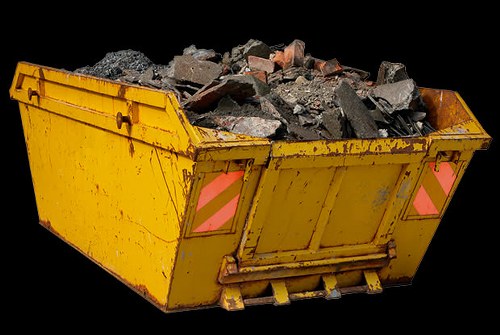
 Commercial Waste Hemel Hempstead — Health & Safety Policy
Policy statement: This policy sets out the health and safety arrangements for our commercial waste and rubbish collection operations across the designated rubbish company service area. Our organisation is committed to protecting the health, safety and welfare of employees, contractors, visitors and members of the public affected by our activities. We will meet or exceed statutory requirements and industry best practice for commercial waste collection, transfer and handling.
 Scope and objectives: The policy covers all aspects of commercial waste management within our service zone including collection rounds, vehicle operations, depot activities, site visits and third-party transfers. The objectives are to: prevent work-related injury and ill health; maintain safe vehicles and equipment; control pollution risks; and ensure that waste handling complies with safe segregation and hazardous material protocols. These objectives apply to every role within the team, from drivers to operations managers.
Responsibilities and Organisation
 Senior management will ensure the provision of adequate resources, competent personnel and appropriate systems of work. Managers and supervisors are responsible for implementing this policy, arranging risk assessments, and ensuring that staff receive suitable training and supervision. Employees are expected to follow safe systems, report hazards, wear required personal protective equipment (PPE) and cooperate with improvement measures. Contractors and third-party agents operating in the commercial waste service area must adhere to equivalent standards and provide evidence of competence.
Key responsibilities include:
- Risk assessment: Regular site and task-specific risk assessments for collections, depot operations and containment changes.
- PPE and equipment: Ensuring gloves, hi-vis, safety boots, eye protection and other PPE are provided and used.
- Vehicle safety: Safe loading/unloading procedures, vehicle maintenance, secure loads and driver competence assessments.
- Hazardous waste control: Segregation and safe handling of hazardous items and sharps, with clear disposal routes.
Risk Control Measures and Safe Systems of Work
We adopt a hierarchy of controls when managing hazards associated with waste operations: elimination, substitution, engineering controls, administrative controls and PPE. Practical measures include safe manual handling training, mechanical aids for heavy items, clear signage for hazardous loads, locked containment for clinical or chemical waste and defined exclusion zones during collection and compaction. Mechanical loading devices and tail-lifts are inspected daily and any defects are reported immediately.
 Traffic management and site safety are integral to operations in the commercial waste service area. We implement route planning to reduce operational risk, use banksmen during complex collections, and maintain clear, lit access routes at depots. Noise and vibration risks are assessed and mitigated where necessary. Lone working protocols and emergency contact procedures are in place for out-of-hours operations.
 Training, competence and communication: all staff receive induction training, role-specific refresher sessions and assessments of competence for vehicle operations, hazardous waste handling and spill response. Toolbox talks are held regularly to reinforce policies. Clear reporting lines for incidents, near misses and unsafe conditions are defined and supported by confidential reporting channels. Documentation is maintained to demonstrate training, assessments and briefings.
Incident management and emergency response: Incidents are investigated using a structured process to identify root causes and corrective actions. Emergency response plans address spill containment, first aid, fire and chemical exposure. Spill kits, fire extinguishers and first aid supplies are accessible at depots and on vehicles. We coordinate with local emergency services where necessary while keeping the emphasis on rapid containment and protection of people.
Hazardous materials and segregation: Where waste streams include corrosives, solvents, batteries or clinical materials, strict segregation, labelling and documented transfer procedures apply. Sharps are handled with specialist containers and staff receive clinical waste handling training. Waste acceptance procedures at transfer stations include checks to prevent illegal mixing or disposal of prohibited items. Regular audits of waste streams support continuous control of cross-contamination risks.
Monitoring, audit and review: Performance is monitored through safety inspections, vehicle checks, incident statistics and audit of compliance with waste transfer documentation. Annual policy reviews are undertaken and updated to reflect operational changes, legislative developments and lessons learned from incidents. Senior leadership conducts periodic safety performance reviews to ensure sustained improvement across the commercial waste service area.
Employee wellbeing and occupational health: We promote occupational health through vaccination programs where applicable, health surveillance for exposure risks, access to wellbeing resources and provision of safe rest areas. Manual handling and fatigue risk are managed via shift design and enforcement of rest breaks. Mental health awareness and support mechanisms are available to staff.
Contractor and supply chain management: All contractors working within our rubbish company service area must provide method statements, risk assessments and evidence of training and insurance. Subcontractors are monitored for compliance and performance standards; non-conforming behaviour is addressed promptly and may result in removal from contracts.
Policy enforcement: Non-compliance with this health and safety policy will be addressed through corrective actions, retraining or disciplinary processes as appropriate. Where breaches indicate serious risk, operations will cease until safe controls are re-established. This policy is endorsed by senior management and forms part of the organisation's safety management framework for commercial waste collection and transfer.
Continuous improvement: We commit to continual improvement of health and safety standards through investment in safer equipment, technology for route optimisation, engagement with staff for practical improvements and alignment with sector best practice. The policy is reviewed at least annually or sooner where operational or regulatory changes dictate.
Effective date and review cycle: This policy is effective upon issue and will be reviewed annually. Revisions will be communicated to all staff and relevant stakeholders in the commercial waste service area to ensure ongoing awareness and compliance.
Conclusion: The organisation will maintain a proactive health and safety culture that protects people, property and the environment while delivering efficient commercial waste and rubbish collection services. Commitment, competence and compliance underpin our approach to safe waste management across the service area.
