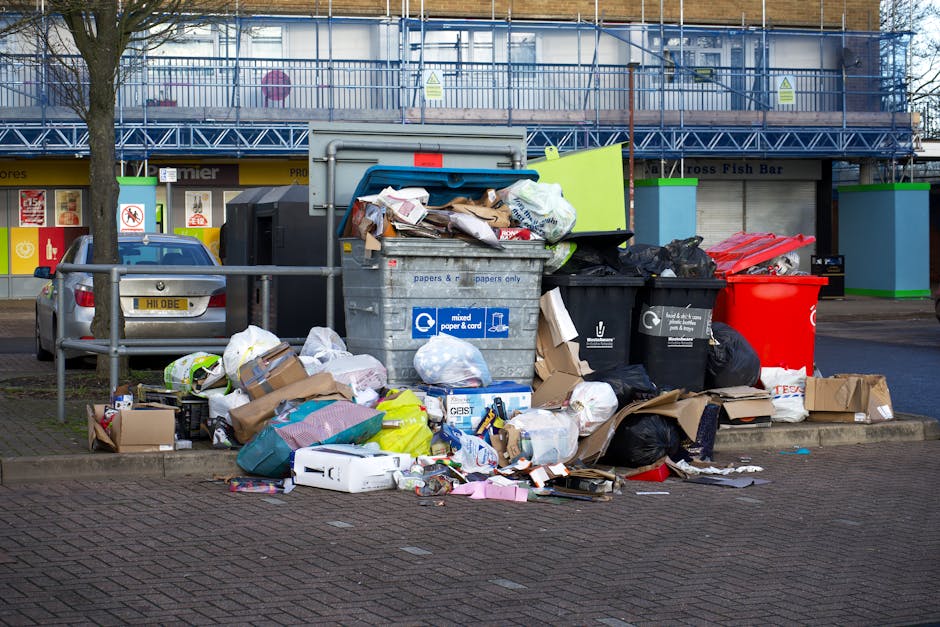
Gadebridge Park rubbish disposal guide Hemel Hempstead
If you are dealing with bagged litter after a picnic, garden cuttings from a tidy-up, or a small pile of unwanted household items near Gadebridge Park, the question is usually the same: what is the cleanest, safest, and simplest way to get rid of it? This Gadebridge Park rubbish disposal guide Hemel Hempstead is here to make that easier. It explains what to do, what to avoid, and how to choose a sensible disposal route without creating extra hassle for yourself, the park, or anyone else using it.
To be fair, rubbish that looks minor at first can quickly become annoying once it starts attracting attention, smells, or takes up boot space in the car. And if you are dealing with larger waste after a garden project, a move, or a property clear-out nearby, the decision is a bit more than "just chuck it out." You want a method that is legal, tidy, and practical. Let's walk through it properly.
Why Gadebridge Park rubbish disposal guide Hemel Hempstead Matters
Gadebridge Park is the kind of place people use in different ways: a brisk walk before work, a family afternoon, dog walks, a quick sit-down with coffee, or a bit of outdoor breathing space when the week feels too full. That variety is exactly why rubbish disposal matters. A single abandoned bag, food container, or broken item can spoil the look and feel of an area that many people rely on for a reset.
There is also a practical side. Park waste is rarely just one type of rubbish. You might have picnic leftovers, drink bottles, packaging, leaf litter, broken outdoor gear, or mixed bags from a DIY job or garden tidy. Once waste is mixed together, disposal gets harder. Recyclable items are less likely to be recovered, and any contamination can make the whole load awkward.
In everyday terms, good disposal is about respect and efficiency. Respect for the park. Respect for neighbours. Respect for your own time. If you have ever tried to clear a car boot full of wet cardboard on a chilly late afternoon, you will know that doing it properly the first time is much less painful than sorting it out twice.
Expert summary: the best rubbish disposal approach is usually the one that keeps the area tidy, separates waste sensibly, and avoids turning a small task into a larger clean-up later on.
How Gadebridge Park rubbish disposal guide Hemel Hempstead Works
The basic process is straightforward, even if the details change depending on the waste type. First, identify what you actually have. Then separate anything recyclable, reusable, or hazardous. After that, choose the disposal route that fits the load size and the level of care required.
For small amounts, a simple bagging and home disposal plan may be enough if the waste is yours and can go through normal household channels. For bulkier rubbish, mixed waste, or items that need specialist handling, a dedicated waste removal service is usually the cleaner option. That is especially true when the item list includes awkward objects such as old furniture, garden waste, mattresses, appliances, or anything with sharp edges or residue.
Truth be told, many people underestimate how much sorting matters. A few minutes spent separating glass, cardboard, green waste, and general rubbish can save you from a messy mixed load later. And if you are unsure what can go with other materials, it may help to review a practical reference like what can go in a skip. Even if you are not booking a skip, the guidance helps you think more clearly about categories.
If you need a broader disposal option for mixed household or light commercial waste, the service pages for waste removal and recycling and sustainability can be useful reference points. They are not just about getting rid of things; they also help you think about disposal in a more responsible way.
Key Benefits and Practical Advantages
Using a sensible disposal method for rubbish around Gadebridge Park brings more benefits than people often expect. The obvious one is cleanliness, but there are several others worth mentioning.
- Less mess: bagged, separated waste is easier to manage and less likely to leak, smell, or blow around.
- Better recycling: keeping recyclable items apart improves the chance they are handled properly.
- Safer handling: sharp objects, broken glass, or heavy items are easier to move when sorted.
- Faster clear-up: a planned approach reduces the back-and-forth of "where does this go?"
- Reduced stress: you know the waste is dealt with properly, which is surprisingly reassuring when a job starts to snowball.
There is also a local benefit that people often overlook. In a busy public space, one person's carelessness can create a ripple effect. A tidy, well-managed disposal habit helps the park feel looked after, and that matters more than a lot of folks admit. Nobody wants to walk past torn bags, scattered wrappers, or a dumped chair on a path where children and dog walkers are moving through.
If your rubbish is part of a bigger home or business clear-out, a service such as home clearance, house clearance, or office clearance may be more suitable than trying to piece everything together yourself.
Who This Is For and When It Makes Sense
This guide is for anyone dealing with rubbish connected to a visit, a nearby property, or an activity around Gadebridge Park. That might sound broad, but the real-world situations are broad too.
You might need it if you are:
- clearing picnic waste after a family day out
- disposing of litter from a community tidy-up
- moving garden waste after pruning or landscaping nearby
- getting rid of old furniture, a mattress, or a broken appliance from a nearby home
- managing rubbish after decorating, DIY, or a light renovation
- handling a garage, loft, or shed clear-out before a move
It also makes sense if you are thinking, "I could probably do this myself, but do I really want to?" That is a fair question. For one black bag, probably yes. For damp cardboard, mixed junk, and something with awkward weight? Maybe not. That is where a little judgement goes a long way.
Some jobs are also time-sensitive. If rubbish is already starting to smell, attract flies, or take up space in a small flat, the priority becomes speed and reliability. In those situations, a service like flat clearance or garage clearance can be a practical fit.
Step-by-Step Guidance
Here is a simple way to handle rubbish disposal without overcomplicating it. Nothing fancy. Just a sensible sequence.
- Identify the waste type. Separate general rubbish, food waste, recyclables, green waste, bulky items, and anything potentially hazardous.
- Check what can be reused. Some items can be passed on, repaired, or stored for another use. Not everything needs to become waste immediately.
- Bag and bundle properly. Use sturdy bags or tie items securely so they do not spill while being moved. Wet waste especially can become a nuisance quickly.
- Remove sharp or dangerous edges. Tape, wrap, or box anything that could cut a handler or damage another load.
- Choose your disposal route. For straightforward waste, your normal disposal options may be enough. For bulky or mixed loads, look at a professional collection.
- Keep harmful items separate. Anything classed as hazardous should be treated with extra care, not tucked into an ordinary pile and forgotten.
- Schedule collection at the right time. If you are waiting for service, keep the load dry and contained. One rainy night can turn manageable waste into a sloppy job. Been there, regrettably.
A useful rule of thumb: if the load feels awkward in your hands, awkward in your car, or awkward in your head, it is probably worth reassessing the disposal method.
For larger domestic jobs, services like furniture disposal, mattress and sofa disposal, and fridge and appliance removal can simplify the process and keep heavy items out of the way.
Expert Tips for Better Results
A lot of disposal problems come from small oversights, not big disasters. That is the good news. A few habits make the whole process much easier.
- Sort before you move anything: once items are in a heap, people tend to stop thinking clearly about categories.
- Use dry storage if possible: even a simple sheet or bin liner over the top can stop rain making the load heavier.
- Keep reusable items visible: if they are buried under rubbish, they usually get thrown away by accident.
- Take photos of odd items: helpful if you are asking for a quote or deciding whether something is hazardous.
- Leave extra room around sharp or heavy waste: it sounds obvious, but people still end up stacking things too tightly.
- Plan for the return journey: if you are transporting waste yourself, have gloves, liners, and a clean-up cloth ready. Your future self will thank you.
One practical tip that makes a real difference: if you have mixed waste from a garden tidy-up or property clearance, group items by material first, not by size. It is much easier to work with "wood, metal, green waste, general" than "the big bits and the annoying bits."
For seasonal clean-ups, especially after heavy pruning or a wet weekend, a look at garden clearance can be a helpful next step. That kind of job is often more about volume than anything else.
Common Mistakes to Avoid
Most rubbish disposal mistakes are easy to spot once they have happened. The trick is spotting them earlier.
- Mixing everything together: recyclable, general, and hazardous waste should not all end up in one load unless the disposal route specifically allows it.
- Forgetting weight limits: bags can be heavier than they look, especially after water or soil gets involved.
- Leaving items loose: loose rubbish is harder to move and more likely to blow away.
- Ignoring awkward items: old appliances, broken chairs, and damp mattresses often need a different approach from ordinary black bags.
- Dumping waste near the park or roadside: even if it feels convenient in the moment, it creates problems for everyone and can lead to penalties or complaints.
- Not checking access: if a collection vehicle or loader needs room to work, blocked access can delay the whole job.
Another common issue is waiting too long. You think, "I'll sort that tomorrow," and then tomorrow becomes Friday, and by then the smell has made the decision for you. Not ideal. Not ideal at all.
For people dealing with a bigger clean-out, loft clearance and furniture clearance are worth considering when stored items have finally outstayed their welcome.
Tools, Resources and Recommendations
You do not need a van full of gear to dispose of rubbish properly, but a few simple tools help more than you might think.
- Heavy-duty bin bags: better for mixed light waste and less likely to split.
- Gloves: essential for broken items, garden waste, and anything grubby.
- Cardboard boxes or tubs: useful for loose recyclables or small sharp items.
- Strong tape: good for bundling awkward pieces or securing flaps on boxes.
- A dustpan and brush: small but handy when tiny fragments are involved.
- Tarpaulin or sheet: makes transport easier and keeps car boots cleaner.
On the service side, it helps to choose a provider that explains what it will and won't take, how it handles recycling, and what happens to mixed waste. If pricing matters, look at the details on pricing and quotes before you commit. Clear expectations save everyone time.
If you want a better understanding of how responsible disposal fits into wider practice, recycling and sustainability is a sensible place to start. It is not about being perfect. It is about making fewer avoidable mistakes.
And if the waste includes documents, paperwork, or sensitive records from a nearby office or home office, confidential shredding is the safer route than stuffing papers into ordinary rubbish bags. Paper is paper until it is not, if you know what I mean.
Law, Compliance, Standards, or Best Practice
When rubbish disposal involves a public place or mixed waste from a property, best practice matters. In the UK, waste should be handled with care, kept secure during storage and transport, and passed to the right route for its type. If you are dealing with commercial waste, or waste produced by a business activity, there are added responsibilities around correct handling and keeping disposal records where appropriate.
For everyday readers, the main thing to understand is simple: do not assume all waste is treated the same. Food waste, green waste, electrical items, bulky furniture, and potentially hazardous materials are not interchangeable. A cautious approach is always better than guessing.
It is also wise to use a provider that works with clear health and safety expectations. If you want reassurance on handling and operational standards, the pages on health and safety policy and insurance and safety are worth reading. They help you judge whether a company takes the boring but important stuff seriously. Which, let's face it, is exactly what you want.
For business users dealing with recurring waste, business waste removal is the more appropriate route than ad hoc disposal. It is cleaner, more organised, and usually easier to manage over time.
Options, Methods, or Comparison Table
If you are deciding how to dispose of rubbish connected with Gadebridge Park or a nearby property, the best method depends on volume, type, urgency, and access. Here is a simple comparison.
| Method | Best for | Advantages | Watch out for |
|---|---|---|---|
| Normal household disposal | Small, non-hazardous household waste | Simple and familiar | Not suitable for bulky or mixed loads |
| Self-transport to disposal | Moderate loads you can safely move | Flexible timing | Mess, lifting, vehicle space, and sorting effort |
| Professional waste removal | Bulky, mixed, or time-sensitive waste | Convenient, fast, less lifting | Needs clear item list and access planning |
| Specialist item disposal | Appliances, furniture, mattresses, or garden waste | More suitable for awkward items | Different items may need different handling |
For loads with a lot of wood, soil, rubble, or mixed renovation debris, a service such as builders waste clearance can be more appropriate than trying to treat the load like ordinary household rubbish. If the rubbish is mainly outdoor green waste, garden-related clearance is often the better fit.
Case Study or Real-World Example
Here is a realistic example. A homeowner near Gadebridge Park finishes a spring garden tidy-up on a Saturday morning. The pile includes hedge cuttings, a broken planter, three bags of leaves, a rusted folding chair, and an old fridge left over from the kitchen replacement. At first glance it feels like one simple job. In practice, it is four different disposal problems.
They start by separating the green waste from the hard materials. The leaves and cuttings are bagged neatly. The planter and chair are checked for sharp edges and bundled securely. The fridge is kept separate because it needs a more suitable removal route. After that, the whole job becomes much more manageable. No drama. No stuffing everything into one overloaded pile and hoping for the best.
That little bit of sorting saves time, reduces mess, and makes collection easier. It also stops the "I'll deal with it later" problem, which is often how rubbish becomes a bigger issue than it needed to be.
In a slightly different scenario, a local flat resident dealing with a room refresh might have one sofa, a mattress, a lamp, and a few bags of mixed clutter. There, a service like mattress and sofa disposal is the cleanest route, with flat clearance making sense if there is more than just one or two items.
Practical Checklist
Use this quick checklist before you dispose of rubbish connected to Gadebridge Park or a nearby property.
- Have I separated general waste from recyclable items?
- Are there any sharp, heavy, wet, or awkward items?
- Could any item be reused, donated, or repaired?
- Is anything hazardous or likely to need special handling?
- Do I know where the waste is going?
- Is the load bagged, bundled, or boxed securely?
- Will I need help lifting or transporting anything?
- Have I checked whether a specialist service would be easier?
- Is the waste stored safely and out of the way until collection?
- Do I have gloves, tape, and liners if I'm moving it myself?
If you can tick most of those off, you are in good shape. If several answers are "not really," it may be time to step back and choose a better route. There is no prize for making rubbish disposal harder than it needs to be.
Conclusion
The best Gadebridge Park rubbish disposal guide Hemel Hempstead is not really about the park alone. It is about making smart decisions with waste so you protect shared spaces, keep your own job manageable, and avoid the messy middle ground where rubbish hangs around too long. That means sorting properly, choosing the right disposal method, and treating awkward or bulky items with a bit of respect.
Whether you are clearing a few bags after a day out, handling garden waste, or sorting out a larger household or business load, a calm and structured approach makes all the difference. Start small, separate what you can, and use the right service when the job goes beyond ordinary rubbish. Simple. Not always easy, but simple.
If you want help with a larger or more inconvenient load, it may be worth looking at related services such as waste removal, home clearance, or garden clearance to find the cleanest fit for what you need. And if you are comparing options, clear pricing and responsible disposal should be right near the top of the list.
Get a free quote today and see how much you can save.
Sometimes the best thing you can do with a rubbish problem is deal with it once, properly, and get your space back to normal.
Frequently Asked Questions
What is the best way to dispose of rubbish from Gadebridge Park?
The best way depends on the type and amount of waste. Small, non-hazardous rubbish can often be bagged and handled through normal disposal routes, while bulky or mixed waste is usually easier with a professional collection.
Can I leave rubbish near the park for collection?
No, not unless there is a proper arranged collection point or authorised service in place. Leaving waste beside the park or roadside can create litter, nuisance, and possible enforcement issues.
What should I do with garden waste after tidying near Gadebridge Park?
Separate green waste from general rubbish first. Leaves, branches, and cuttings are best kept together, while broken pots, tools, or mixed debris should be sorted out separately.
How do I know if an item needs specialist disposal?
If it is bulky, heavy, electrical, sharp, or potentially hazardous, specialist handling is usually safer. Fridges, mattresses, sofas, and certain building materials often need different treatment from regular household rubbish.
Is it better to hire a service or do it myself?
If you only have a small amount of waste and easy access, self-disposal can be fine. If the load is large, messy, or awkward to transport, a waste removal service is often less stressful and more practical.
What happens if my rubbish is mixed together?
Mixed waste can be harder to recycle and more awkward to process. It is usually better to separate waste before disposal so recyclable and specialist items do not get lost in the general load.
Do I need to worry about hazardous waste?
Yes, if there is anything that could be harmful, such as chemicals, certain electrical items, or contaminated materials. Hazardous waste should be kept separate and handled with extra care.
Can old furniture from a nearby property be collected at the same time?
Often yes, provided the collection service accepts those items. Furniture can be handled through specific clearance services, which is usually easier than trying to move it yourself.
How do I prepare waste for collection?
Bag loose rubbish securely, box sharp items, keep heavy things stable, and separate anything reusable or hazardous. A tidy load is easier and safer to collect.
What if I am clearing a flat or small home near the park?
Then a more focused clearance option may suit you better, especially if stairs, tight hallways, or limited parking make disposal awkward. In those cases, flat clearance or home clearance can be a better fit.
How can I make sure the disposal is environmentally responsible?
Choose a service that talks clearly about recycling, waste sorting, and responsible handling. It is also helpful to separate recyclables and reusable items before anything is collected.
Where should I start if I'm not sure what I need?
Start with the type of waste, then the amount, then access. If you are still unsure, look at a broader waste removal option first and narrow it down from there. That tends to be the least painful route.
If your load includes furniture, appliances, or mixed household waste, you may also want to review furniture clearance, fridge and appliance removal, or house clearance for a more suitable disposal plan.