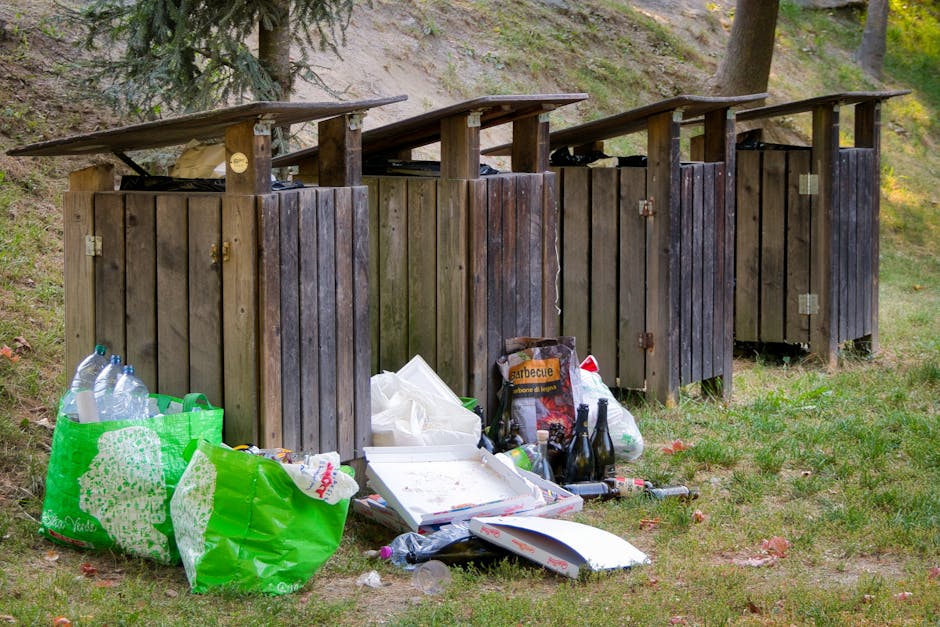
Common problems with rubbish collections in Hemel Hempstead
If you live or run a business locally, you'll know that rubbish collection sounds simple right up until the day it isn't. A missed pickup, a bin left overflowing on a damp Wednesday morning, a recycling sack split open on the pavement, or a bulky item that somehow never seems to make it onto the schedule - these are the common problems with rubbish collections in Hemel Hempstead that frustrate households, landlords, and businesses alike.
This guide breaks down the real-world issues people run into, why they happen, and what sensible next steps look like. We'll also look at how different waste removal options compare, what good practice looks like, and how to avoid the kind of mistakes that turn a routine clear-out into a nuisance. To be fair, rubbish only becomes noticeable when it's not moving.
Table of Contents
- Why these rubbish collection problems matter
- How rubbish collections usually work
- Key benefits of getting collections right
- Who needs this information most
- Step-by-step guidance
- Expert tips for smoother collections
- Common mistakes to avoid
- Tools, resources and recommendations
- Law, compliance and best practice
- Options and comparison table
- Case study / real-world example
- Practical checklist
- Conclusion
- Frequently asked questions
Why Common problems with rubbish collections in Hemel Hempstead Matters
When rubbish collections go wrong, the impact is usually bigger than people expect. It is not just about an untidy bin store or a bag sitting too long outside. Missed collections can attract pests, create odours, make shared spaces unpleasant, and create a chain reaction where one missed pickup becomes three. In flats, offices, and busy family homes, that can spiral quickly.
In Hemel Hempstead, the issue often comes down to the mix of property types: terraced streets with limited access, flats with shared bin areas, suburban homes with variable storage space, and commercial premises producing different waste streams. Add in parking pressures, narrow access routes, and the occasional van blocking a kerbside spot, and it's easy to see why collections do not always run smoothly.
For businesses, the stakes are even higher. A pile-up of cardboard, food waste, or general waste can affect hygiene, customer perception, and even staff morale. Nobody likes arriving at work to the smell of yesterday's bins in the summer heat. Not exactly a glamorous start to the day.
Understanding the common issues early helps you prevent disruption rather than react to it. That's the difference between a quick fix and a recurring headache.
How Common problems with rubbish collections in Hemel Hempstead Works
Rubbish collections usually follow a straightforward pattern: waste is stored in bins, bags, skips, or containers; it is presented in the right place on the right day; and it is collected by the relevant service. The snag is that every stage has friction points. If any one of them is off, the collection may fail, be delayed, or only partially completed.
Some problems are operational. A vehicle may struggle to access a road, a bin may be overfilled, or waste may be contaminated with items that should not be in that stream. Other problems are administrative. Incorrect placement times, unclear bin labels, missed service notifications, or confusion over what a collection includes can all cause avoidable issues.
There is also a difference between household waste, bulky waste, garden waste, and business waste. Each has its own handling expectations. For example, a settee or mattress is not the same as weekly black bag waste, and a van-load of office waste is not the same as a garden tidy-up. If the waste type does not match the collection method, problems are likely.
For this reason, many people compare standard collections with dedicated removal services. If you are planning a larger clear-out, services such as waste removal or more specific options like house clearance can be a better fit than trying to make everything work through ordinary bin routines.
Key Benefits and Practical Advantages
Getting rubbish collections right is not just about compliance or convenience. There are practical gains that show up very quickly once the system works properly.
- Cleaner surroundings: fewer overfilled bins, less litter, and fewer odour issues around homes or shared spaces.
- Better time management: you spend less time chasing missed pickups or reorganising waste after the fact.
- Lower health and safety risks: clear walkways and secure waste storage reduce slips, pests, and manual-handling issues.
- Improved waste segregation: recycling is easier when waste is sorted sensibly from the start.
- Less stress for residents and staff: nobody wants arguments over whose bag belongs where or whether that cardboard can go out now.
There is also a financial angle. When waste is handled efficiently, you are less likely to need emergency clear-ups, extra labour, or repeated collection attempts. That can matter a lot for landlords, shop owners, and small firms working on tight margins.
Where larger items are involved, specialist services can be particularly useful. If you are dealing with worn-out sofas, beds, or bulky furniture, for instance, a dedicated service like mattress and sofa disposal can save a lot of back-and-forth.
Expert summary: Most rubbish collection problems are not caused by one huge failure. They are caused by small, avoidable details - the wrong container, poor timing, blocked access, or unclear responsibility. Fix the details and the whole process gets easier.
Who This Is For and When It Makes Sense
This topic matters to more people than you might think. It is not only for households with overflowing bins. In practice, the people who benefit most are often the ones managing waste on behalf of others.
- Homeowners: especially during clear-outs, renovations, or seasonal garden tidy-ups.
- Flat dwellers and shared households: where bin stores are communal and one person's mistake affects everyone.
- Landlords and letting agents: because tenant turnover often creates sudden waste spikes.
- Business owners: where waste build-up can affect premises, customers, and staff routines.
- Office managers: especially if paperwork, packaging, and appliance waste need careful handling.
- Tradespeople and property renovators: because builders' waste can quickly overwhelm normal collection habits.
If the issue is occasional and small, a better bin routine may be all you need. If it is ongoing, or you are handling heavier or mixed waste, then a more structured approach is often smarter. For renovation waste in particular, builders waste clearance is a more practical route than hoping standard collections will cope with plasterboard, timber offcuts, and packaging.
Truth be told, the moment waste starts taking over walkways, storage rooms, or shared access points, it has become a management problem rather than a bin problem.
Step-by-Step Guidance
If you are trying to sort out rubbish collection issues properly, a clear process helps. Here's a simple way to approach it without making the whole thing more complicated than it needs to be.
- Identify the waste type. Separate general waste, recycling, food waste, garden waste, bulky items, and anything hazardous or specialist.
- Check the collection method. Decide whether the waste belongs in bins, bags, a one-off removal, or a dedicated clearance service.
- Review access. Make sure collection crews can actually reach the waste. Gates, parked cars, low branches, and locked bin stores can all slow things down.
- Sort and contain waste properly. Loose waste creates mess, attracts pests, and often gets rejected. Secure sacks and clearly labelled containers help.
- Confirm timing. Put bins out when required and avoid leaving them in the way for too long. Early placement is useful, but too early can create obstruction.
- Handle bulky items separately. Sofas, fridges, mattresses, and appliances usually need a different approach from everyday bag waste.
- Escalate recurring issues. If the same problem keeps happening, document it and change the process rather than just hoping for a better week next time.
A practical example: a shared block in Hemel Hempstead has regular recycling contamination because everyone uses the same bin store but no one knows which box is for what. A few simple labels, better placement, and a rota for moving bins can cut confusion almost immediately. Not magic. Just clarity.
Expert Tips for Better Results
Here are the habits that tend to make rubbish collections far less painful in real life.
- Use clear signage in shared spaces. Labels work better than reminders shouted across a car park.
- Keep bulky waste out of the "temporary pile" zone. Temporary piles have a habit of becoming permanent. Funny how that happens.
- Break waste down where safe to do so. Flatten cardboard, bag loose refuse, and dismantle smaller items before collection day.
- Keep a simple waste log. If collections are missed or contaminated often, note dates and what happened. That helps spot patterns.
- Match service to waste volume. A small weekly collection and a one-off property clear-out are not the same thing, and should not be treated as such.
- Plan around busy periods. Before a move, refurbishment, or office reset, arrange waste handling early rather than after the clutter has built up.
For larger homes or cluttered storage areas, a broader clearance service can be easier than piecing together several mini solutions. Services such as home clearance, loft clearance, or garage clearance can be more efficient when the waste has spread beyond one bin store.
If you are dealing with old desks, chairs, and packaging in a workplace, office clearance may be the cleaner option. It depends on the job, really.
Common Mistakes to Avoid
Most recurring collection problems come from a handful of predictable mistakes. Once you know them, they are easier to avoid.
- Overfilling bins: lids left open or sacks balanced on top are a common reason for refusal.
- Mixing unsuitable items: one wrong item can contaminate a whole recycling load.
- Leaving waste in blocked access points: crews cannot always safely move around parked vehicles or tight corners.
- Ignoring heavier or specialist items: appliances, hazardous materials, and large furniture often need separate handling.
- Assuming someone else will sort it out: shared buildings especially need a named person or system.
- Waiting too long to deal with build-up: waste gets harder, smellier, and more awkward the longer it sits.
One thing people underestimate is the ripple effect. A missed collection in a business premises can lead to overflow, then complaints, then a rushed emergency clean-up. By that point, the issue is not just waste. It is reputation.
If you need to dispose of awkward items, it's worth checking specialist options such as fridge and appliance removal or furniture disposal rather than forcing everything into the same process.
Tools, Resources and Recommendations
You do not need a complicated setup to reduce rubbish collection issues. A few simple tools and habits usually make the biggest difference.
- Colour-coded labels: helpful for shared recycling and waste stores.
- Wall-mounted signs: especially useful in flats, HMOs, and office kitchens.
- Basic waste diary or spreadsheet: track missed collections, overflow dates, and recurring issues.
- Sturdy sacks and bins: flimsy bags are a nuisance on windy days and a mess on wet pavements.
- Booking checklist: useful before one-off clear-outs so nothing gets forgotten.
For people comparing disposal routes, service pages such as pricing and quotes and book online can help you understand your next step without overthinking it. If you care about environmental impact, the page on recycling and sustainability is also worth a look.
And for anyone dealing with uncertain materials - solvents, chemicals, paint, or similar items - use caution. It is better to separate out questionable waste and seek specialist handling than to guess. That bit matters.
Law, Compliance, Standards, or Best Practice
Waste handling in the UK comes with responsibilities, especially for businesses and landlords. You do not need to become a legal expert to stay on the right side of things, but you do need to follow sensible best practice.
The broad principle is straightforward: waste should be stored safely, presented correctly, and passed to a suitable carrier or service. Businesses also need to be careful about duty of care, segregation, and record-keeping where relevant. If a waste stream is hazardous or contains confidential material, normal collection habits are usually not enough.
For example, confidential paper, customer files, or internal records should not just be dropped into general waste. A dedicated process such as confidential shredding is more appropriate. Similarly, if an item could be classed as hazardous, look at hazardous waste disposal rather than treating it like everyday rubbish.
Health and safety also matter. Heavy lifting, sharp edges, blocked exits, and unstable stacks are all avoidable risks. If a collection method creates more manual handling than necessary, that's a signal to rethink it. The guidance on health and safety policy and insurance and safety reflects that practical approach.
Best practice, in plain English, means using the right container, sorting waste properly, keeping access clear, and dealing with specialist items separately. Simple enough to say. Sometimes harder to do on a wet Friday afternoon, but still the right approach.
Options, Methods, or Comparison Table
Different waste problems need different solutions. Here's a simple comparison to help you decide which route fits best.
| Method | Best for | Strengths | Limitations |
|---|---|---|---|
| Regular council-style collection | Everyday household waste and recycling | Convenient, routine, familiar | Can be affected by access, contamination, and overfilling |
| Bulky item collection | Single large items or limited clear-outs | Useful for one-off disposal | Not ideal for mixed loads or large volumes |
| Dedicated waste removal | Mixed household, business, or one-off waste | Flexible, quicker for larger jobs | Needs the right provider and clear item list |
| Specialist clearance service | Full property, loft, garage, or office clear-outs | Efficient and less stressful for bigger jobs | May be more than you need for a small bin issue |
| Specialist disposal routes | Appliances, sofas, mattresses, hazardous or confidential waste | Better suited to item-specific risks | Requires proper sorting in advance |
If you are choosing between methods, ask yourself one simple question: is this a routine collection issue, or is it really a clearance job in disguise? That question saves time more often than people expect.
Case Study or Real-World Example
Imagine a small office in Hemel Hempstead that has just finished a reset after a busy quarter. There are broken chairs, cardboard boxes, old filing cabinets, some confidential paperwork, and a fridge that no one wants to be responsible for. The bins are already full because the regular collection was missed the previous week. Classic problem.
At first glance, the obvious answer seems to be "just wait for the next pickup." But that only solves part of it. The fridge cannot go into ordinary waste, the paperwork needs secure disposal, and the furniture is too bulky for the bin store. The office also needs to keep the fire exit clear, which means the clutter has to move quickly.
In that sort of scenario, a mixed approach works best. General waste is separated, confidential papers are dealt with properly, and the bulky items are removed through a more suitable service. A business might use business waste removal for the regular stream, then add a more specific collection for the awkward items. That keeps the workspace usable and avoids a second round of problems.
It is a very ordinary kind of disruption, honestly. Nothing dramatic. Just enough small issues to turn a tidy office into a messy one by lunchtime.
Practical Checklist
Use this before collection day or before booking a clearance service.
- Have I identified the waste type correctly?
- Is anything hazardous, confidential, or specialist?
- Are bins, sacks, or items placed where they can be accessed safely?
- Have I kept walkways, exits, and shared access points clear?
- Is the waste properly bagged, boxed, or separated?
- Do I need a one-off clearance instead of a routine collection?
- Have I checked for bulky items like sofas, appliances, or mattresses?
- Do I know who is responsible if this is a shared property?
- Have I noted any recurring problems for later review?
- Do I need to compare prices or book a service in advance?
A quick run-through like this takes minutes, but it often prevents days of annoyance.
Get a free quote today and see how much you can save.
Conclusion
The common problems with rubbish collections in Hemel Hempstead are usually not mysterious. They tend to come from access issues, overfilled containers, wrong waste types, poor sorting, or unclear responsibility. Once you spot the pattern, the fix usually becomes much more manageable.
For some people, a better bin routine is enough. For others, especially during moves, refurbishments, office changes, or garden projects, a more tailored clearance route is the smarter choice. The key is to match the method to the mess, rather than hoping the mess will sort itself out. It rarely does.
With a little planning, the right disposal route, and a few simple habits, waste stops being a daily nuisance and becomes just another task handled properly. And that is a relief, let's face it.
A tidy space has a way of calming everything down, even on the busiest week.
Frequently Asked Questions
Why are rubbish collections commonly missed in Hemel Hempstead?
Missed collections usually happen because of access problems, overfilled bins, contamination, incorrect presentation, or scheduling issues. In shared properties, unclear responsibility can make the problem worse.
What should I do first if my bin was not collected?
Check whether the bin was put out correctly, whether it was overfilled, and whether any non-allowed items were mixed in. If everything looked fine, record the date and follow up through the proper channel or use a different removal option if the waste is piling up.
Can I put bulky items out with my normal rubbish collection?
Usually not. Bulky items like mattresses, sofas, and appliances often need separate handling. It is better to use a suitable disposal service rather than risk rejection or delay.
What problems happen most often with shared bin stores?
The most common issues are contamination, overflow, blocked access, and nobody taking ownership of the space. A simple labelling system and a named contact can make a surprising difference.
Are business waste problems treated differently from household waste problems?
Yes, they often are. Businesses usually need more structured waste management because they produce different materials and have extra responsibilities around safety, hygiene, and record-keeping.
What happens if waste is mixed incorrectly?
Mixed waste can be rejected, delayed, or require re-sorting. In some cases, a whole load may be affected. It is one of the most common and most avoidable problems.
Is it worth using a clearance service instead of waiting for the next collection?
If the waste is building up quickly, includes bulky items, or is affecting access or hygiene, yes, it often is. Waiting can make the problem bigger and more awkward.
How do I reduce rubbish smells in warmer weather?
Keep lids shut, bag waste securely, empty food waste regularly, and avoid leaving collection bags in direct sun for too long. Small habits matter more than people think, especially in summer.
What if I have confidential or sensitive waste?
Do not place it in general waste. Use a secure option such as confidential shredding so the material is handled appropriately.
How can I tell whether I need waste removal or a full clearance?
If the waste is limited to everyday bins, a routine collection may be enough. If there is furniture, mixed household items, loft clutter, office contents, or renovation debris, a fuller clearance is usually the better fit.
What should I check before booking a waste removal service?
Make sure you know what items need removing, whether any are hazardous or specialist, how much access is available, and whether you want general waste or a broader clearance. A clear list saves time for everyone.
Can recycling contamination really cause recurring collection issues?
Yes. Putting the wrong items in recycling can trigger refusals or slow the whole process down. Clear labelling, simple instructions, and consistent habits usually reduce this quickly.
Where can I find more details about what waste can be handled?
It helps to review practical guidance such as what can go in a skip and compare that with the kind of waste you actually have. The right method depends on the mix, volume, and risk level.