Apsley rubbish disposal guide for HP3 households
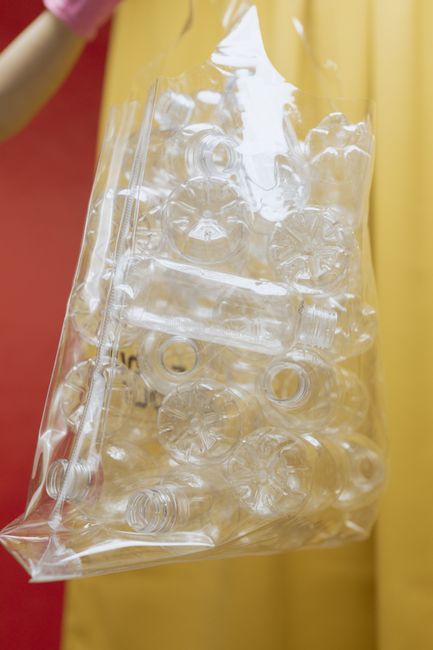
If you live in Apsley and you're trying to clear rubbish without turning the week upside down, this guide is for you. The Apsley rubbish disposal guide for HP3 households is designed to help you work out what can go, what needs special care, and which disposal route makes the most sense for your home. Whether it's an overflowing garage, a post-move clear-out, or a stubborn pile of garden waste that seems to breed overnight, the goal is simple: get it gone properly, safely, and without unnecessary hassle.
To be fair, rubbish disposal is one of those jobs that looks straightforward until you actually start. Then you notice the awkward items, the bag that's too heavy, the old fridge taking up half the hallway, and the questions about recycling, access, timing, and cost. This article breaks the whole process into plain English, with practical steps, local sense, and a few useful reminders so you can make a decent decision without second-guessing yourself.
Why Apsley rubbish disposal guide for HP3 households Matters
Household rubbish can become more than a nuisance pretty quickly. In a place like Apsley, where homes range from compact flats to family houses with lofts, garages, sheds, and little side passages, waste builds up in different ways. One home may be dealing with old furniture after a move, while another is trying to shift garden cuttings, broken appliances, and the contents of a loft that's been ignored for years. Different waste streams, different risks, different rules. That is exactly why a clear rubbish disposal guide is useful.
There's also the practical side. If waste is left too long, it starts to get in the way of everyday life. Hallways narrow, bins overflow, smells linger, and the job becomes larger in your head than it really is. You'll notice this especially after weekends of DIY or during spring cleaning when the house suddenly feels like it's holding on to every forgotten thing. A well-planned disposal approach helps you avoid that slow creep.
For HP3 households, it matters because the right method can save time, reduce lifting, improve recycling outcomes, and help you avoid mistakes such as mixing restricted items with general waste. It can also protect you from a bit of unnecessary stress. Let's face it, nobody enjoys loading a car three times only to find out the local disposal point won't take half of it.
Expert summary: The best rubbish disposal plan is usually the one that matches the type of waste, the access you have, and how quickly you need the space back. Simple enough, but that one decision saves a lot of grief.
How Apsley rubbish disposal guide for HP3 households Works
At its simplest, rubbish disposal is about sorting waste into the right route before you move a single bag. That sounds obvious, but in practice it's where most people go wrong. Household rubbish usually falls into a few broad groups: general mixed waste, recyclable materials, bulky items, garden waste, electricals, and items that may need extra handling because of their contents or condition.
For many households, the process starts at home. You identify the items, separate anything reusable or recyclable, and then decide whether you can manage disposal yourself or whether you'd be better using a collection service. Some jobs are small enough to handle with a few bags and a careful trip. Others are awkward, heavy, dusty, or just plain not worth doing the hard way. A wardrobe with a broken back panel is a different proposition from a couple of bin bags of old clothes. One can be lifted. The other tends to fight back.
If you are trying to deal with larger volumes, mixed waste, or items that won't fit standard bin collections, a professional rubbish removal option can be a sensible choice. Services focused on waste removal are often more suitable for one-off clearances, while larger household projects may call for home clearance or even house clearance if you're dealing with a full property reset.
Some household items need special handling. Refrigerators, freezers, and similar appliances are not the same as normal rubbish; they may need dedicated collection through fridge and appliance removal. Sofas and mattresses also tend to need separate attention, which is where mattress and sofa disposal becomes relevant. And if a load includes anything potentially harmful, it is worth checking hazardous waste disposal before you move it.
Key Benefits and Practical Advantages
Good rubbish disposal isn't just about tidiness. It gives you a bit of breathing room, and that matters more than people often admit. Once the mess is gone, a room feels larger, calmer, easier to use. You can see the floor again. You can clean properly. You stop walking around things.
Here are the real advantages households usually notice:
- Less clutter and faster room recovery: clearing waste restores usable space quickly, especially in kitchens, garages, lofts, and spare rooms.
- Better recycling outcomes: separating materials properly means more items can be routed toward recycling and sustainability-friendly processing.
- Reduced lifting and injury risk: bulky waste can be awkward, especially on stairs, in narrow hallways, or during damp weather.
- Fewer compliance worries: the right disposal route helps avoid mixing prohibited or sensitive items into general rubbish.
- Less disruption to family life: one organised collection is usually easier than several trips out in the car.
If you are planning a bigger tidy-up, useful related pages like garage clearance, loft clearance, and garden clearance can help you think in terms of zones rather than just "all the junk". That shift sounds small, but it usually makes the job much easier to finish.
Who This Is For and When It Makes Sense
This guide is for HP3 households that want a sensible, practical way to clear unwanted rubbish without turning the job into a weekend-long saga. It's especially useful if you are:
- moving house or preparing a property for sale
- clearing out a loft, cellar, garage, or shed
- replacing furniture, appliances, or flooring
- dealing with post-renovation waste
- sorting out old belongings after a long period of build-up
- trying to separate recyclable items from general waste
- looking for a faster alternative to multiple tip runs
It also makes sense when access is tricky. Some Apsley homes have tight driveways, awkward parking, or stairs that make carrying bulky waste a hassle. In those cases, trying to do everything yourself can be more tiring than it first appears. If you've ever dragged a battered chair through a front gate while trying not to scrape the walls, you'll know exactly what I mean.
And honestly, sometimes the question isn't "Can I do this myself?" but "Should I?" If the answer involves several heavy items, uncertain waste types, or a deadline, a professional collection can be the cleaner option.
Step-by-Step Guidance
Here's a practical approach that works well for most households. No drama, no overthinking.
- Walk through the space first. Look at everything you want gone and decide what is rubbish, what can be donated or reused, and what needs special handling.
- Separate waste by type. Keep general waste, recyclables, green waste, electricals, and hazardous items apart if you can. Sorting early saves time later.
- Identify bulky items. Furniture, mattresses, appliances, and broken fittings usually need a different disposal route from bagged rubbish.
- Check what can be collected together. Some loads are straightforward mixed waste, while others may need segregation. If in doubt, ask before moving everything to one pile.
- Measure access. Check gates, stairs, low branches, narrow hallways, and parking space. A collection team can work faster if access is clear.
- Prepare the waste safely. Bag loose material, tape shut sharp edges, and keep heavy items at ground level if possible.
- Choose the disposal route. Decide whether you need standard waste removal, a specialist service, or a larger clearance such as furniture clearance.
- Book or arrange the collection. Pick a time that avoids school runs, parking pressure, or heavy rain if the waste is outside.
- Do a final check. Make sure nothing valuable, confidential, or reusable has been left in the pile by mistake. It happens. More often than you'd think.
If confidential paperwork is mixed in with household clutter, separate it before disposal and consider confidential shredding rather than putting it out with the rest. It is one of those small decisions that avoids a lot of bother later.
Expert Tips for Better Results
Good rubbish disposal is often about what you do before collection day, not during it. A few small choices make a big difference.
- Work room by room. It's easier to stay focused if you clear one area at a time rather than jumping all over the house.
- Use the "touch it once" rule. Pick an item up and decide its fate straight away. Keep, donate, recycle, dispose. Don't set it down to think about it again for three days.
- Keep dry and wet waste separate. Wet garden material or damp cardboard can make everything messier and heavier than necessary.
- Break down what you safely can. Flat-packed furniture, disassembled shelving, and collapsed boxes are easier to move and often fit better into collection space.
- Flag risky items early. Old paint, chemicals, batteries, and damaged electricals should be checked before they are bundled together.
- Choose a provider with clear policies. Pages such as health and safety policy, insurance and safety, and recycling and sustainability are useful signals that the service takes proper handling seriously.
One small real-world observation: most household clearances go smoother when the homeowner has already grouped the waste into "easy lift", "awkward", and "not sure". It sounds simple, but it helps everyone work faster. And yes, the one item nobody wants to talk about is usually the item that causes the delay.
Common Mistakes to Avoid
Most rubbish disposal headaches are avoidable. The problem is that people tend to start with the pile, not the plan.
Here are the common mistakes that create extra cost or delay:
- Mixing everything together: once recyclable, reusable, and restricted items are all in one heap, sorting becomes slower and less efficient.
- Assuming all bulky waste is the same: a sofa, a fridge, and a broken wardrobe each have different handling needs.
- Underestimating access issues: a van may be available, but that does not mean it can easily reach the property or load safely.
- Leaving the sort-out until collection day: this is a classic time trap. A pile that looks manageable on Tuesday can become a circus by Friday morning.
- Forgetting about hazardous items: some waste should never be casually put into general household rubbish.
- Skipping price checks: ask what is included, what might change the price, and whether loading, recycling, or disposal fees are handled clearly.
A slightly boring but important point: always read the terms before you book. A decent service will have clear information available, including terms and conditions and pricing and quotes. That way there are fewer surprises, and surprise fees are never a good look.
Tools, Resources and Recommendations
You don't need much kit to organise a household rubbish clearance, but a few basics help.
- Sturdy gloves: useful for sharp edges, dusty surfaces, and old packaging.
- Heavy-duty sacks or boxes: keep loose rubbish contained and easier to carry.
- Tape and marker pen: handy for labelling bags by room or waste type.
- Measuring tape: useful if you need to check whether large furniture will fit through doors or gates.
- Phone flashlight: surprisingly useful in lofts, under-stair cupboards, and dim garages.
- Simple room-by-room list: often better than trying to remember everything from memory.
For households with larger projects, it can help to compare options before deciding. If you are unsure whether your job is better suited to mixed waste removal, a clearance service, or a skip, the page on what can go in a skip is a useful reference point for thinking about load types and restrictions.
If your project is not household-only, but includes a home office or a small side business setup, it may also be worth looking at office clearance or, for broader non-domestic waste, business waste removal. The line between "domestic clutter" and "mixed-use waste" can get fuzzy fast. Happens all the time.
Law, Compliance, Standards, or Best Practice
For household rubbish disposal in the UK, the safest approach is to follow recognised best practice: keep waste separated where possible, avoid mixing hazardous items with general rubbish, and use properly managed disposal routes. You do not need to become an expert in waste law, but you should avoid guessing with items that could create risk or require special treatment.
In practical terms, that means:
- checking whether items are electrical, sharp, contaminated, or potentially hazardous
- not leaving waste where it could obstruct access, create a trip hazard, or attract pests
- making sure any service you use handles waste responsibly and transparently
- keeping records or notes if you are clearing something that may contain sensitive material
If you are arranging a clearance through a professional provider, good practice also includes confirming how waste is loaded, transported, and separated for recycling. Service information on recycling and sustainability is a reassuring sign, and so is a clear insurance and safety page. In a nutshell, the work should be carried out carefully, not hurriedly.
For anything potentially dangerous, it is better to pause and check than push ahead and hope for the best. That's not being fussy. That's just sensible.
Options, Methods, or Comparison Table
Different households need different disposal methods. The right choice depends on volume, item type, access, urgency, and how much labour you want to do yourself. Here's a simple comparison.
| Method | Best for | Pros | Watch out for |
|---|---|---|---|
| Regular bin collections | Small, routine household waste | Low effort, familiar, predictable | Not suitable for bulky or unusual items |
| Self-haul to a disposal site | Smaller loads you can transport safely | Can be straightforward for sorted waste | Time, lifting, fuel, and multiple trips |
| Skip hire | Ongoing work, renovation waste, larger clear-outs | Handy if the waste builds up over time | Space needed, permit considerations, loading limits |
| Professional waste removal | Mixed household rubbish, bulky items, quick turnarounds | Fast, convenient, less lifting for you | Need to confirm item types and pricing in advance |
For many HP3 households, professional collection is the sweet spot when the job is too much for the bins but not quite a full building project. If the waste is mostly furniture, the specialist pages on furniture disposal and furniture clearance can be more relevant than a general service. If it's outdoors and leafy, garden clearance may fit better.
Case Study or Real-World Example
Picture a fairly ordinary Apsley household on a Saturday morning. A spare room has become the holding bay for two broken bedside cabinets, a rolled-up carpet offcut, half a dozen sacks of old clothes, a rusted garden chair, and an appliance that stopped working months ago. Nothing dramatic. Just one of those spaces that slowly fills until you can barely open the door without squeezing sideways.
The family starts by sorting the pile into four groups: keep, donate, recycle, and dispose. The clothes go into separate bags. The carpet offcut and the broken cabinets are stacked together. The old appliance gets set aside because it needs proper handling. One parent checks access down the side of the house while the other clears a path through the hallway so nothing gets scraped or tripped over.
Instead of trying to cram everything into the back of a car over two or three trips, they arrange collection for a single slot. The job is done in one visit, the room is usable again by lunchtime, and there's a noticeable shift in the house afterwards. Lighter, oddly enough. You can almost hear the place settle.
That sort of result is common when people plan ahead. The waste doesn't vanish by magic, sadly, but a bit of structure makes the whole process much less painful.
Practical Checklist
Use this simple checklist before disposal day:
- Sort waste into general, recyclable, bulky, and special-handling items
- Remove anything reusable, valuable, or sentimental before the pile moves
- Keep sharps, chemicals, batteries, and damaged electricals separate
- Break down boxes, shelving, or furniture where safe to do so
- Check doorways, stairs, gates, and parking access
- Clear a path from the waste to the collection point
- Confirm which items are accepted and which are not
- Review pricing, timing, and any loading requirements
- Set aside confidential paperwork for shredding
- Do one last sweep for overlooked items in drawers, cupboards, and pockets
If you want a more substantial property-wide reset, it can help to look at home clearance or flat clearance depending on the type of property. A tidy checklist really does save time. Not glamorous, but effective.
Conclusion
A good rubbish disposal plan is less about lifting fast and more about deciding well. For HP3 households in Apsley, that means identifying the waste type, choosing the right disposal route, and avoiding the common traps that create extra mess, expense, or stress. Whether you're clearing one awkward room or tackling a much bigger household project, a little structure goes a long way.
Take the time to sort first, check restrictions second, and choose a method that suits both the waste and your schedule. That's the whole game, really. Done properly, the result is not just less rubbish. It's a home that feels easier to live in.
Get a free quote today and see how much you can save.
And if you are still weighing up the best route for a tricky clearance, keep it simple: start with the pile, respect the awkward items, and make the next step the easy one.
Frequently Asked Questions
What is the best way to dispose of rubbish in Apsley if I live in HP3?
The best method depends on the type and amount of waste. Small routine rubbish usually suits normal collections, while bulky, mixed, or awkward waste is often better handled through professional waste removal or a clearance service.
Can I put furniture out with general household rubbish?
Usually not. Sofas, wardrobes, tables, and similar items are bulky waste and often need separate collection. If you have several items, furniture clearance is usually the more practical route.
What should I do with old appliances and fridges?
Appliances should be checked before disposal because they may need dedicated handling. Fridges and freezers, in particular, are commonly dealt with through fridge and appliance removal rather than general rubbish.
How do I know if something counts as hazardous waste?
If an item contains chemicals, fuel, oil, paint, solvents, contaminated materials, or anything that could pose a safety risk, it may need special treatment. When in doubt, check before mixing it with ordinary waste.
Is it better to hire a skip or book waste removal?
That depends on how long the waste will build up and how much space you have. Skips are useful for ongoing projects. Waste removal is often better for quicker clear-outs, mixed loads, or homes with limited space.
What happens if I mix recyclable and non-recyclable waste?
Mixed waste is harder to process responsibly and can reduce recycling potential. It can also make sorting slower and less efficient. A little separation at home usually pays off.
Do I need to prepare rubbish before collection day?
Yes, ideally. Bag loose waste, separate special items, clear access paths, and make sure anything sharp or fragile is handled safely. A bit of prep makes the collection much smoother.
Can a house clearance help if I am clearing more than one room?
Yes. If you are tackling multiple rooms, lofts, garages, or a full property, house clearance or home clearance is often more suitable than piecemeal rubbish disposal.
What if I have confidential paperwork mixed in with the rubbish?
Keep it separate and use confidential shredding rather than throwing it in with general waste. That is the safer choice, especially if the papers include personal details or business records.
How can I avoid extra costs when booking rubbish disposal?
Sort the waste in advance, be clear about item types, check access, and ask what the quoted price includes. Clear information usually prevents awkward surprises later.
Are garden cuttings and soil treated the same as general rubbish?
No, garden waste is usually best separated from household rubbish. For larger outdoor clearances, garden clearance is typically the cleaner and more efficient option.
Where can I read more about how loads are handled safely?
Look for a provider's health and safety information, insurance details, and recycling approach. These pages tell you a lot about how seriously the work is taken, and they should be easy to understand.
Ready for a simpler clear-out? Start with the sort, choose the right method, and give yourself the relief of a proper finish.